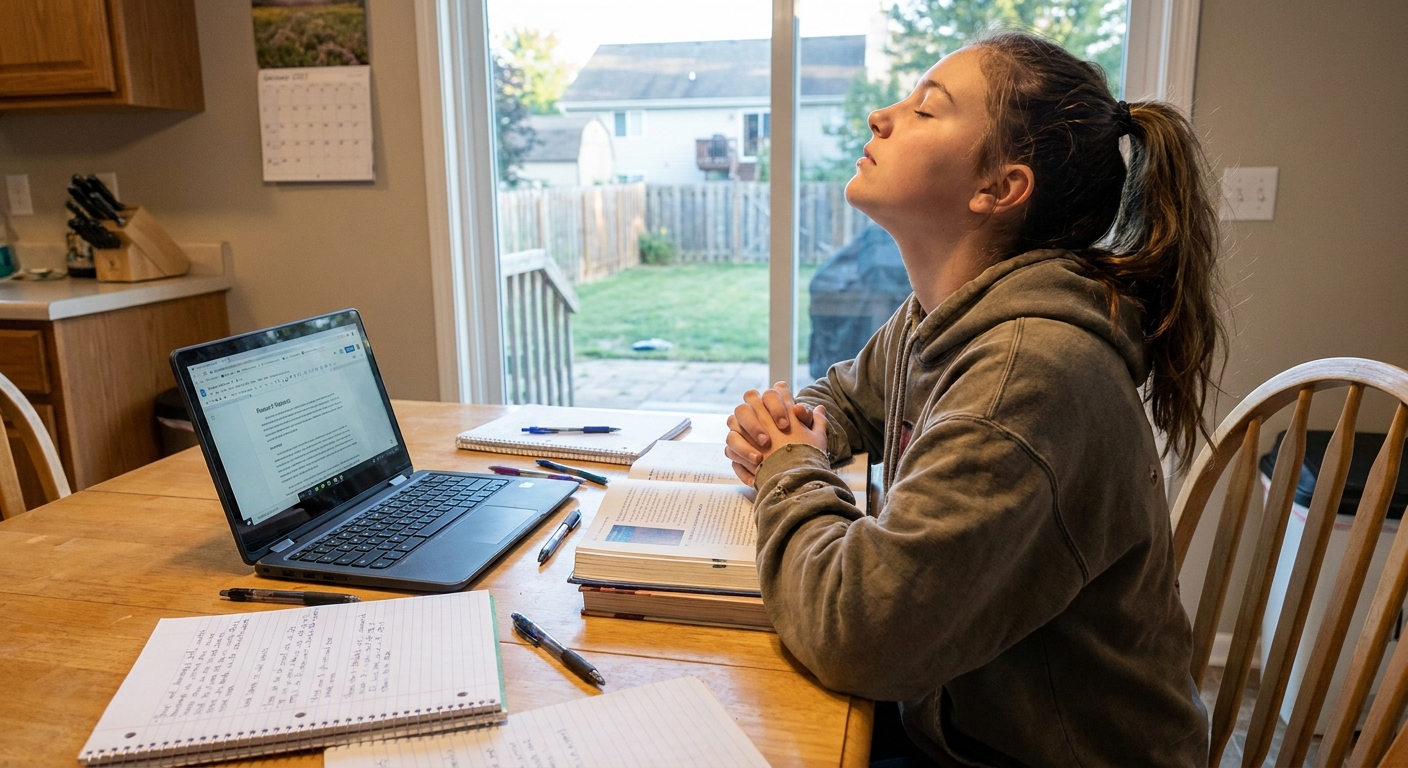
When students hear “college resume,” they often picture junior year: big titles, big awards, big pressure. But the truth is much calmer and more encouraging. Your most college-ready resume is built quietly, week by week, starting in 9th and 10th grade through good academic habits, a few well-chosen commitments, and consistent follow-through.
One quick note: many colleges do not require a formal resume. Still, a “resume mindset” helps you build a strong activities list, write clearer applications, and ask for recommendations without scrambling.
In this guide, I will walk you through a practical timeline for freshman and sophomore years, plus the specific choices that help colleges see who you are becoming. If you are a parent reading alongside your student, you will find simple ways to support without taking over.

What colleges mean by “resume”
For college admissions, a resume is less about fancy formatting and more about a clear story:
- Academics: course rigor, grades, and growth over time
- Commitments: activities you stuck with long enough to learn and contribute
- Impact: how you improved something, helped someone, or built a skill
- Character: reliability, curiosity, initiative, and integrity
Freshman and sophomore years are where you start building those themes. Think “direction,” not “perfection.”
The foundation: GPA and courses
Activities matter, but your transcript is still the backbone of your application. A strong activity list rarely makes up for preventable academic gaps. Here is how underclassmen can protect their GPA without burning out.
Choose the right challenge level
Aim for a schedule that is appropriately rigorous for you, not for someone else. Colleges like to see students challenge themselves, but they also want to see strong performance. If you are debating honors or advanced classes, ask:
- Do I have the prerequisite skills, or am I missing key foundations?
- Can I realistically keep up with the reading and homework load?
- Will this course support my goals or strengthen a real interest?
If you are homeschooled, “rigor” can show up through high-quality curricula, outside classes, dual enrollment, documented project work, or clear course descriptions.
Two simple habits that protect grades
- Weekly grade check: pick one day each week to check grades, missing work, and upcoming tests. Ten minutes can prevent a semester-long spiral.
- Two-day rule: if you do not understand something for more than two days, get help. Ask a teacher, attend tutoring, meet with a classmate, or use a credible online resource.
Save academic wins
Start a simple “brag file” now. Save emails from teachers, reflections on big projects, and any recognition. Later, this becomes gold for recommendation letters and scholarship applications.
Also track academic awards and recognition as they come up, even if they are school-level: honor roll, subject awards, competition placements, or AP Scholar-type recognition (when applicable).
Activities: pick a few, go deep
The biggest underclassman resume mistake I see is over-collecting activities. Colleges are not impressed by a long list of one-month commitments. They are impressed by depth and follow-through.
A simple formula: 2 + 1 + 1
For most freshmen and sophomores, a balanced plan looks like:
- 2 school-based commitments (clubs, sports, music, student orgs)
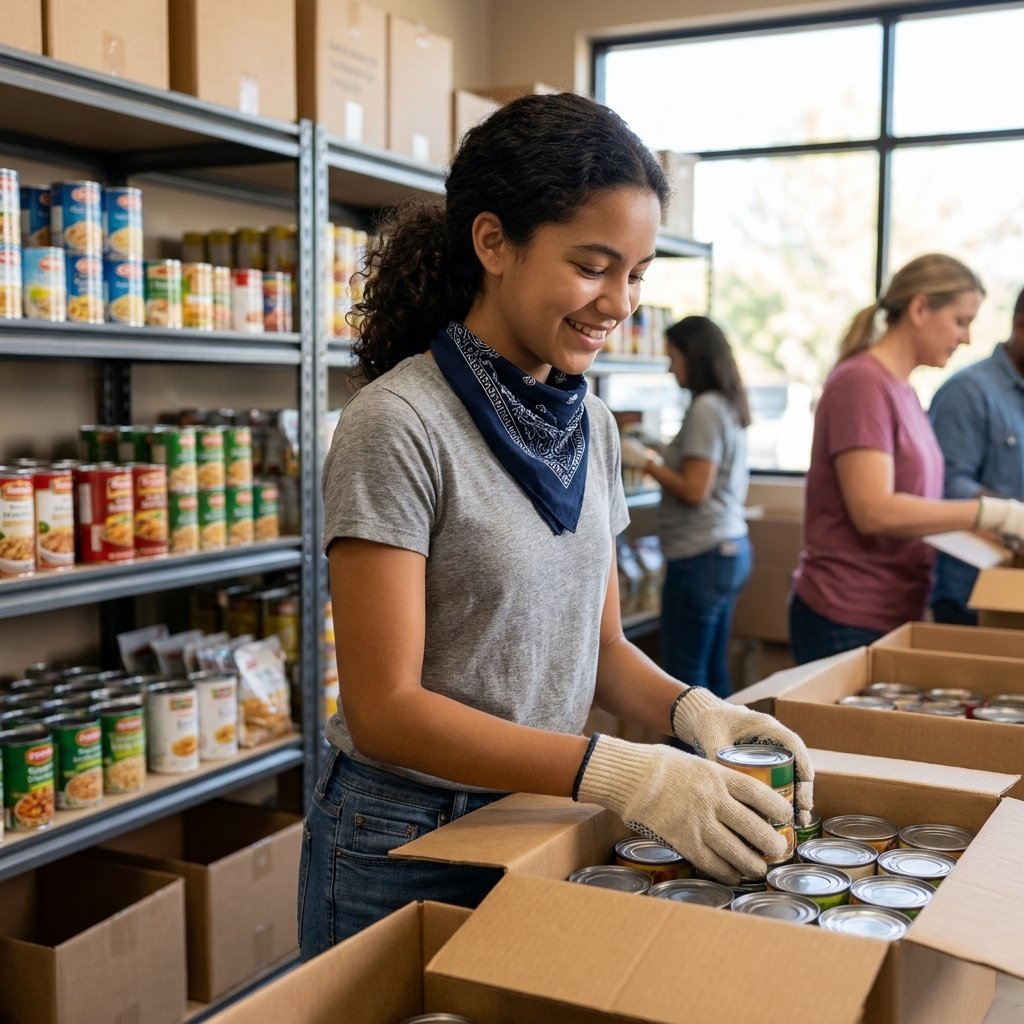
- 1 service commitment (ongoing volunteering, community group, faith-based service, mutual aid)
- 1 personal interest (coding, art, language learning, entrepreneurship, writing, caregiving, a job)
You can adjust this based on your schedule and transportation, especially for homeschoolers. The goal is not to “do everything.” The goal is to build a clear story of who you are.
What counts as an extracurricular?
Many students underestimate what belongs on a resume. These can all count if you can describe your time commitment and impact:
- A part-time job or family business responsibilities
- Regular caregiving for siblings or relatives
- Independent projects (like building an app, writing a short story collection, or teaching yourself a language)
- Competitive hobbies (music exams, dance training, robotics builds, debate tournaments)
- Community-based learning (library programs, local museum volunteering, community theater)
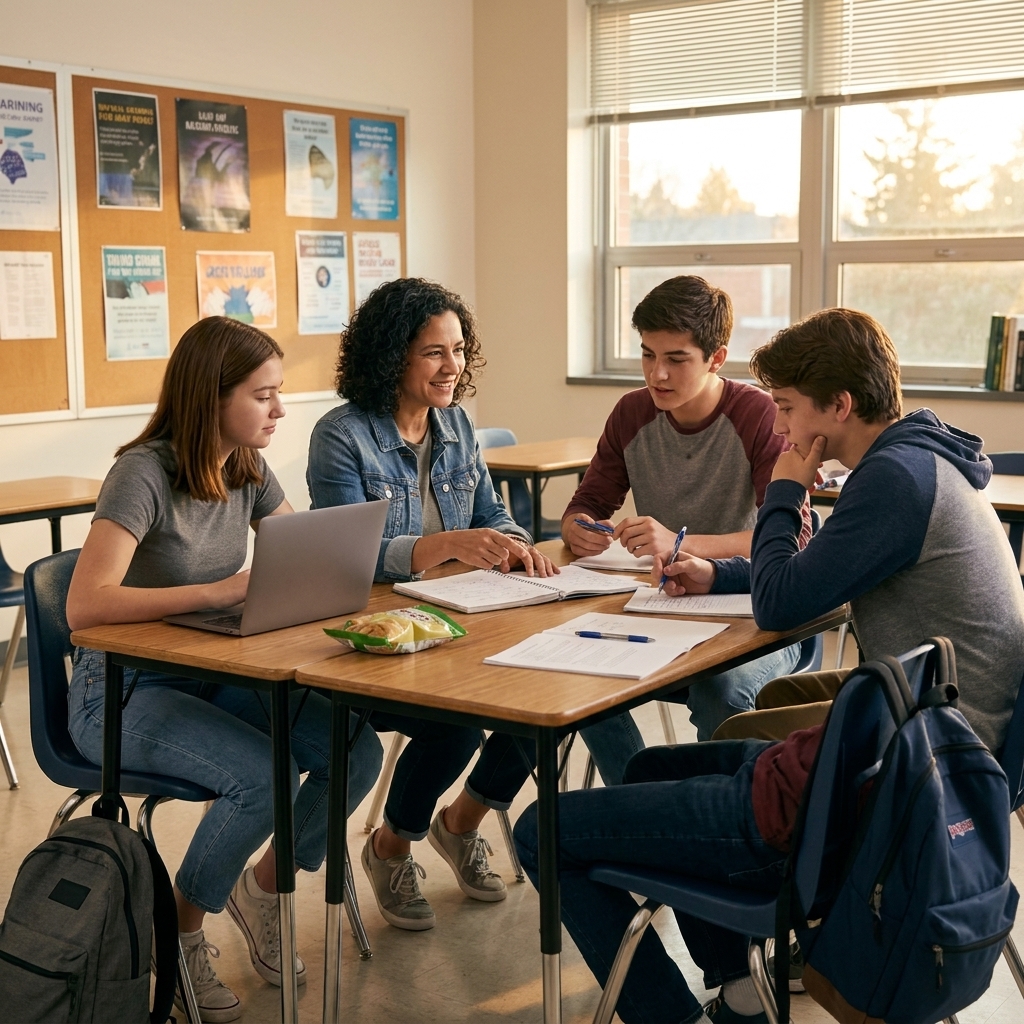
Signals of real depth
- Consistency: you stayed involved across semesters
- Skill growth: you can name what you learned and improved
- Contribution: you helped run something, mentored someone, or improved a process
- Initiative: you started a project, event, or resource
A quick example
In 9th grade, a student joins Environmental Club and helps set up meetings. In 10th grade, they take ownership of a recycling audit, present results to administration, and organize a campus clean-up with clear turnout numbers. Same club, but a much stronger story because they stayed, learned, and contributed.
Leadership starts early
Leadership does not have to mean “president” in 9th or 10th grade. The most believable leadership for underclassmen often looks like responsibility and follow-through.
Low-pressure leadership roles
- Club committee member (events, outreach, social media, welcoming new members)
- Team manager or student assistant (stats, equipment, logistics)
- Tutor for a younger student
- Section leader in music or rehearsal support in theater
- Volunteer shift lead who trains new volunteers
- Project lead for one event instead of an entire organization
The simplest leadership move
If you want leadership later, build your reputation now. Show up. Respond to messages. Meet deadlines. Take notes. Follow through. When teachers, coaches, and supervisors know you are dependable, it becomes much easier for them to write specific, supportive recommendations.
One more underclassman tip that pays off: prioritize one or two relationships with adults (a teacher, coach, advisor, supervisor). You do not need a long list. You need a couple of people who really know how you work.
If you want a resume that stands out by junior year, spend freshman and sophomore years becoming someone others can rely on. That is leadership, even when it is quiet.
Freshman timeline (9th grade)
Fall: settle in
- Meet your school counselor (or, for homeschoolers, identify an academic advisor or co-op lead who can guide planning).
- Join 1 to 2 activities you can realistically sustain.
- Set up a weekly routine for homework and grade checks.
- Start your brag file: a folder in Google Drive works perfectly.
Winter: build skills
- Identify your hardest class and set a support plan (office hours, tutoring, study group).
- Choose one skill to strengthen: writing, math fluency, time management, study strategies.
- Try one small service activity, then decide if it is something you can do regularly.
Spring: create one impact moment
- Volunteer to help with an event, fundraiser, showcase, or competition.
- Record your hours, responsibilities, and outcomes.
- If you loved an activity, ask how students move into roles next year.
Summer after 9th: build lightly
Summer does not need to be packed. Choose one meaningful anchor:
- A part-time job
- A consistent volunteering schedule
- A short course or certification that fits your interests
- A personal project you can show (portfolio pieces, GitHub, writing samples, performances)
If you are considering a summer program, focus on fit and credibility. Be cautious with expensive “prestige” programs that promise admissions advantages. Choose opportunities that teach real skills, produce real work, or connect you to a real community.
Sophomore timeline (10th grade)
Fall: commit to depth
- Continue 1 to 2 activities from 9th grade if they still fit.
- Add one new commitment only if your grades and sleep are stable.
- Ask about pathways to leadership: committees, captain tracks, officer elections, mentorship roles.
Winter: show impact
- Track measurable contributions: items collected, people served, meetings led, performances, competition results, content created.
- Ask for feedback from an adult mentor and implement it. That growth story matters.
- If your grades dipped, adjust quickly. 10th-grade performance is a major part of the transcript colleges see, and it sets you up for junior-year rigor.
Spring: take real responsibility
- Run one meeting, lead one training, manage one event, coordinate one volunteer shift, or mentor one younger student.
- Save artifacts: flyers, planning notes, photos of events (with permissions), programs, links to work.
- Start mapping 11th grade course rigor and your testing plan if your school uses standardized testing.
Summer after 10th: get strategic
This is a great time for a deeper experience because you now have skills and context:
- A more advanced course in a strength area
- A paid job with increased responsibility
- A community role that continues into junior year
- A portfolio-building project (research with a mentor, a writing series, a capstone-style build)
On testing: timelines vary by school and by student. Follow your school counseling guidance, and if you plan to test, leave plenty of runway for preparation and retakes if needed.

Write strong bullets as you go
You will thank yourself later if you track details now. Whenever you do something important, capture:
- Role: what you were responsible for
- Action: what you did
- Result: what changed because of it
- Time: weeks per year and hours per week
Examples
- Instead of: “Member, Key Club”
Try: “Volunteered 2 hours/week at monthly campus drives; organized donation sorting and set-up for community events.” - Instead of: “Math tutor”
Try: “Tutored two middle school students weekly in pre-algebra; created practice sets and tracked quiz improvements over six weeks.” - Instead of: “Helped with social media”
Try: “Posted weekly club updates; promoted events and welcomed new members, contributing to stronger meeting attendance.”
If you are a homeschooler, you can use the same format for co-op roles, community activities, faith communities, sports leagues, and independent projects.
Track your resume simply
You do not need a fancy system. You need one system you will actually use.
- One document: a running activities log with dates, hours, and bullet points
- One folder: a digital portfolio folder (certificates, photos, writing samples, links)
- One calendar habit: weekly planning plus upcoming deadlines
What to track
- Start date and end date
- Time commitment (hours/week, weeks/year)
- Responsibilities
- Outcomes (numbers, events, improvements)
- Awards or recognition tied to the activity
- Adult contact (name and email) for future verification or recommendations
Common mistakes
- Mistake: joining too many clubs in September.
Do instead: attend a few meetings, then pick the ones you can sustain by October. - Mistake: quitting as soon as it gets hard or boring.
Do instead: give it a fair trial period, then make a thoughtful decision at the semester break. - Mistake: chasing what “looks good.”
Do instead: follow genuine interests and build real skills and impact. - Mistake: neglecting sleep and grades to pad activities.
Do instead: protect your academic foundation first. If you overcommit, your grades, sleep, and stress levels can suffer.
Quick checklists
By the end of 9th grade
- A stable homework routine and weekly grade check habit
- 1 to 2 activities you plan to continue
- At least one small impact contribution you can describe
- A brag file with a few saved artifacts (projects, notes, recognition)
By the end of 10th grade
- A clear “core set” of commitments (not too many, but consistent)
- At least one meaningful responsibility you owned (event, shift, project, training)
- Basic tracking in place (hours, weeks/year, results, adult contacts)
- A preliminary plan for 11th-grade courses and any testing timeline your school recommends
FAQ
How many extracurriculars should a freshman have?
Most freshmen do best with 1 to 3 steady commitments. If you add more, your grades, sleep, or mental health can take a hit. Depth matters more than quantity.
Do colleges care what you do in 9th grade?
Yes, but not in a “you must be extraordinary” way. Colleges care about patterns. Freshman year shows how you adjust to high school, build habits, and begin exploring interests.
What if I do not have transportation or my school has limited clubs?
You still have options: a job, family responsibilities, online programs, library opportunities, community centers, faith communities, and personal projects can all become strong resume material. The key is consistency and clear documentation.
When should students start thinking about leadership?
Start in 9th grade by being reliable and helpful. In 10th grade, aim to own one real responsibility. By 11th grade, leadership titles often follow naturally from that foundation.
Can homeschoolers create a college-ready resume?
Absolutely. Homeschoolers often have an advantage in customizing projects and going deep. Focus on strong course documentation, outside verification when possible (co-ops, dual enrollment, competitions), and a clear record of activities and time commitments.
Final note
If I could sit with every 9th and 10th grader for ten minutes, I would say this: you do not have to become a different person to be “college-ready.” You just need to become a slightly more organized, more consistent version of yourself.
Choose a few commitments. Protect your GPA with simple habits. Look for small ways to contribute. Track what you do. By the time junior year arrives, you will not be scrambling to invent a resume. You will simply be writing down what you have already built.