When families tell me they are considering homeschooling, the question that usually shows up right after curriculum is: “But what about socialization?”
I get it. When you are new to homeschooling, the “how it all works” pieces can feel confusing at first, especially when you are trying to picture real friendships and real community, not just activities on a calendar.
Here is the good news: connection is not one single activity. It is a repeatable mix of friendships, teamwork, problem-solving, and community practice. Below are 10 actionable ways to build that mix, with concrete next steps you can start this week.
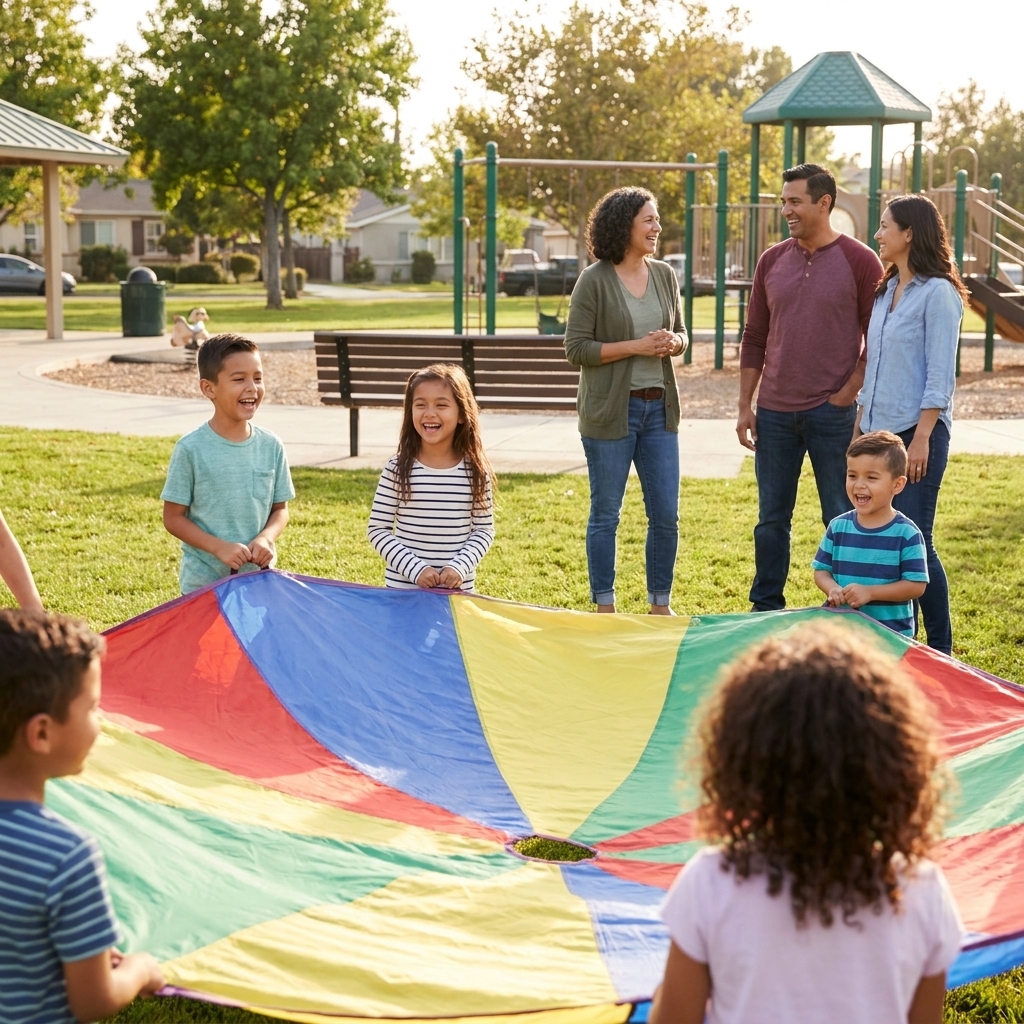
1) Join a homeschool co-op
Homeschool co-ops are one of the most reliable ways to create consistent peer interaction. The best co-ops feel a bit like a small school community: familiar faces each week, shared expectations, and built-in collaboration.
What to try
- Look for weekly or biweekly meetups so kids can form real friendships over time.
- Choose a mix of academic classes (science labs, writing circles) and enrichment (art, theater, robotics).
- Volunteer for a small role (snack rotation, setup) to help you plug into the parent network too.
Pro tip: Ask how they handle group projects and conflict. A co-op that teaches kids to work through disagreements is offering true social learning.
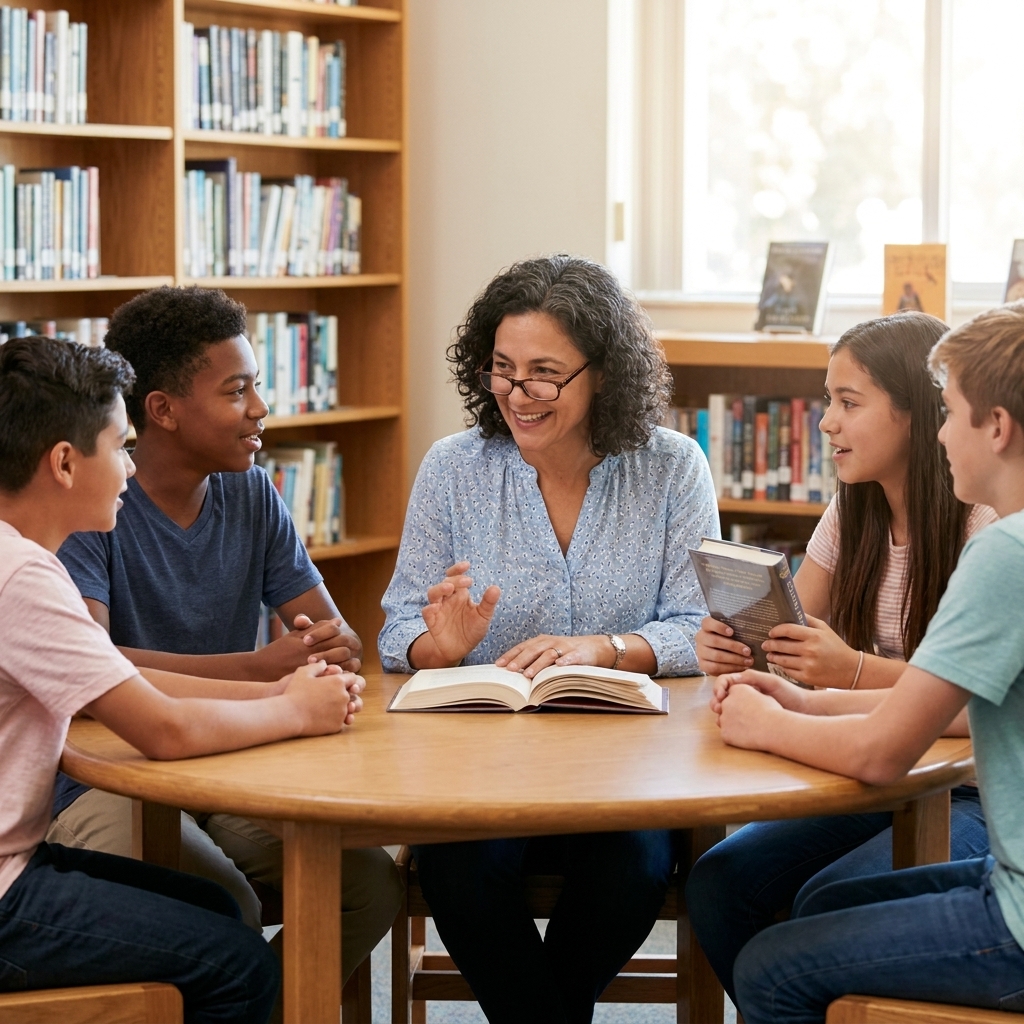
2) Use your public library weekly
Libraries are quietly incredible for homeschool connection because they offer low-pressure, structured gatherings with shared interests. In many areas, they also offer daytime programs that work especially well for homeschool schedules.
What to try
- Story times and LEGO clubs for younger kids
- Book clubs, Dungeons & Dragons (D&D) nights, and maker space sessions for tweens and teens
- Teen volunteer boards or “summer reading” leadership opportunities
3) Enroll in community sports leagues
Sports are a social skill builder with built-in repetition: practices, games, team roles, and shared goals. You do not need a future varsity athlete for sports to be valuable. In fact, recreational leagues can be ideal.
What to try
- Community recreation departments (soccer, basketball, softball)
- YMCA or Boys and Girls Club leagues
- Martial arts, gymnastics, climbing, swimming, or tennis for kids who prefer individual sports with a team environment
Social skill focus: choosing teammates, taking coaching feedback, winning and losing gracefully, and showing up even when it is not your favorite day.
4) Try scouting or youth programs
Programs like Scouts and other community youth organizations excel at long-term connection. Kids stay together for seasons or years, build shared memories, and practice leadership in age-appropriate ways.
What to try
- A local troop that meets regularly and includes camps or service projects
- Look for groups with a clear plan for older youth leadership
- Attend two meetings before committing so your child can feel the vibe
What I love as an educator: kids learn collaboration plus practical independence, and parents build community alongside them.
5) Join a park day or nature group
Not every child connects best in a classroom-style setting. Park days and nature groups create space for imaginative play, movement, and organic friendship-building.
What to try
- Weekly park meetups with consistent families
- Hiking clubs or forest school-style groups
- Geocaching meetups for kids who love quests and puzzles
Make it work for shy kids: bring a simple “anchor activity” (soccer ball, sidewalk chalk, card game). Shared activity reduces awkwardness.
6) Take community classes
Interest-based groups can be a shortcut to connection because kids start with something in common. For many homeschoolers, this is where they find their people.
What to try
- Community center art or ceramics
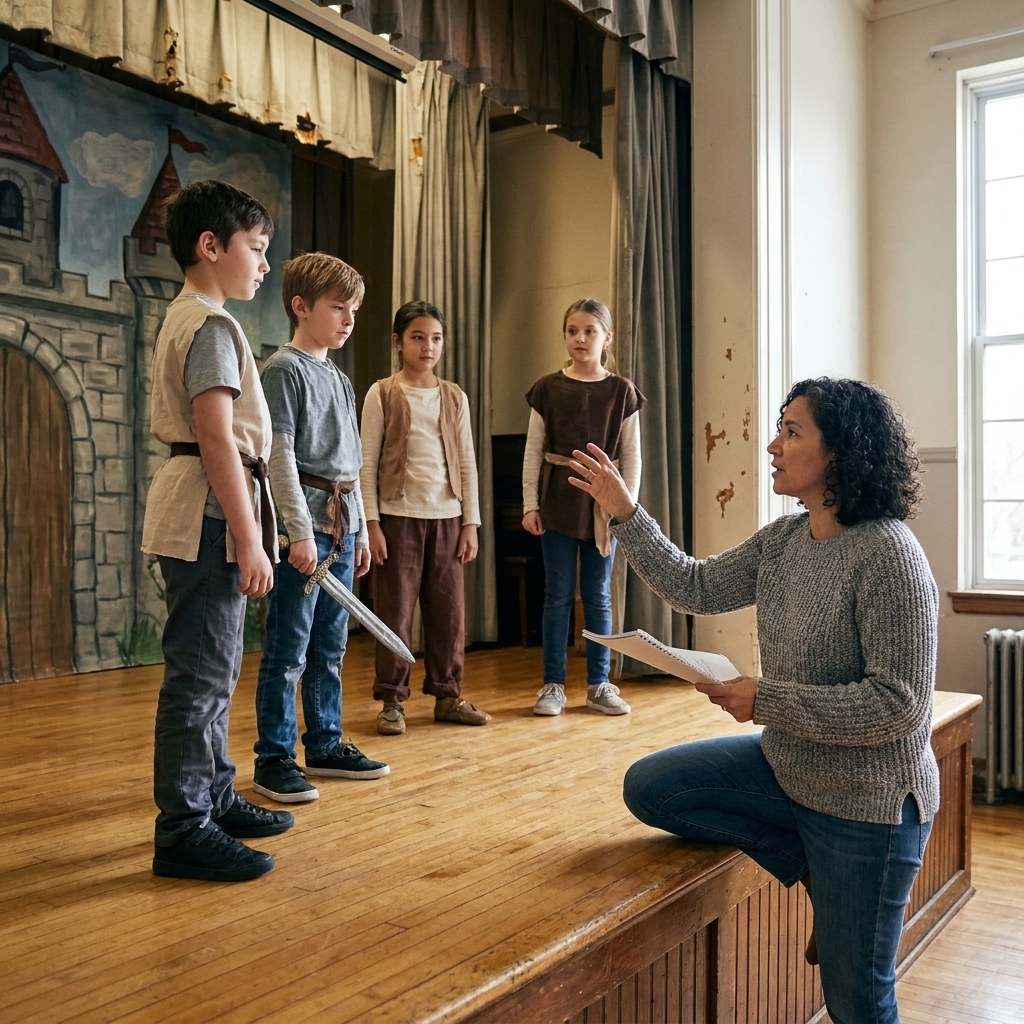
- Dance, theater, or improv programs
- Coding clubs, robotics teams, or maker workshops
- Music ensembles: youth choir, band, or group lessons
7) Try 4-H and academic teams
If your child lights up around projects, presentations, and friendly competition, these groups provide structured practice that often feels safer than unstructured free play.
What to try
- 4-H clubs (animals, gardening, cooking, public speaking, STEM)
- Math circles or science clubs
- Debate, mock trial, Model UN, or speech and debate (often open to homeschoolers through community organizations)
Skill builder: speaking up in a group, handling nerves, and collaborating under a deadline.
8) Volunteer, then step back
Service is an underrated tool because it teaches kids how to interact with different ages, personalities, and community roles. It also builds confidence and a sense of belonging.
What to try
- Animal shelter support (age requirements vary)
- Food pantry packing days
- Community cleanups
- Library helper opportunities for older kids and teens
Progression idea: start as a family, then transition to your child taking on a regular shift or responsibility as they mature.
9) Ask about school activities
Depending on your state and district policies, some homeschool students can participate in certain public school classes or extracurriculars like band, sports, or clubs. This option is not for every family, but it can be a helpful bridge for kids who want a traditional peer group without full-time enrollment.
Quick note: rules vary widely. Some districts require partial enrollment or dual enrollment, charge fees, or do not allow participation at all.
What to try
- Ask the school office about extracurricular eligibility for homeschoolers
- Explore part-time options through charter programs or district partnerships
- Look into community-based teams that partner with schools (music ensembles, academic teams)
Tip: Get policies in writing and ask about schedules early. Some activities require physicals, tryouts, or preseason meetings.
10) Host a simple routine
One of the most powerful ways to build consistent friendships is also one of the simplest: be the family who makes it easy to gather. You do not need big parties. You need consistency.
What to try
- A biweekly board game afternoon
- A rotating “science lab day” with two or three families
- A monthly book club with snacks and free play afterward
- A standing Friday park meetup at the same time and place
What to watch: If kids are constantly meeting new people, they may stay in “small talk mode.” Repeat meetups create depth, trust, and real friendships.
Is it enough?
As a former teacher and advisor, I like practical signals over vague worry. Your child does not need a packed calendar, but they do need meaningful connection. And remember, healthy connection includes mixed ages too, not only same-age peers.
Green flags
- They have at least one or two peers they can reliably spend time with.
- They practice group skills: taking turns, compromising, coping when things do not go their way.
- They have adults outside the family who know them well (coach, librarian, co-op teacher, mentor).
When to add structure
- They frequently say they feel lonely, even if they seem “fine” day-to-day.
- They only connect with siblings or much younger children.
- They avoid groups because of anxiety, perfectionism, neurodivergent overwhelm, or past negative experiences.
If any of those resonate, start small. In my experience, one weekly commitment plus one predictable play option is a strong start, and many families notice momentum once it becomes a routine.
Common questions
Do homeschooled kids need social time every day?
Not necessarily. In my experience, many kids thrive with a few quality social touchpoints per week plus informal time with neighbors, cousins, or family friends. What matters is consistency and variety, not a perfect daily quota.
What if my child is introverted or anxious?
Introverted kids still need community, but they often do best with smaller groups, shared-interest activities, and predictable routines. Think: library clubs, martial arts, music ensembles, or one close friend at a time. If anxiety or neurodiversity is part of the picture, you can also ask leaders about simple supports like a buddy system, a clear schedule, quieter roles at first, or accommodations when appropriate.
How do I help a homeschooled teen connect?
Teens usually want purpose and autonomy. Look for volunteering, part-time work, youth leadership roles, community college classes, debate or theater, and sports or fitness groups. The connection often grows naturally when teens are building something they care about.
What about online options?
Online clubs can be a helpful supplement, especially for niche interests or rural families. Supervised virtual book clubs, coding groups, or online debate can add practice and confidence, but I encourage families to pair online connection with in-person community when possible.
Practical barriers
Cost, time, and transportation
- Start with one anchor activity per season so your schedule stays sustainable.
- Ask about scholarships, sliding scale fees, or sibling discounts at YMCAs, community centers, and arts programs.
- Try carpooling with one other family from co-op, sports, or park day.
A gentle next step
If you are feeling overwhelmed, pick just two things:
- One structured weekly commitment (co-op, sport, club, class)
- One flexible connection (park day, library program, hosting a recurring meetup)
That combination tends to cover both friendship-building and real-world practice. And if you want to tell me your child’s age, interests, and your general area type (rural, suburban, city), I can suggest a good mix to start with.